A quiet, two-street hamlet on Bali’s eastern tip, Lean is part of a string of coastal villages known as Amed, which hugs a black-sand bay crunchy with shells and coral nubbins. Pebbles of coloured glass dot the bay where a handful of Bali hotels and warungs hide in the jungle fringe, polished into forbidden wine gums by the Bali Sea. But most real estate here is still fishermen’s homes made from bamboo and cinder blocks. I am staying in the hilltop retreat owned by Widaning Sri, Wida for short. Wida was born on Surabaya, one island west, and has been coming to this part of Bali all her life. Fifteen years ago, she bought a plot of land up the hill, far from the crowds in Kuta and Legian, and has since spent summers with her French-Indonesian daughter Aude, snorkelling in Lean’s glassy waters and drinking lemonade with kele-kele honey at the local restaurants that teeter on the rocky cliffs. Last summer, they opened Villa Hana, a bookable hideaway above Wida’s home – with roofs made from thatched lalang grass and two whitewashed bedrooms furnished with antiques they picked up on the island.
If you've ever dreamed of exploring the other side of Bali, away from the hustle and bustle of tourist-packed spots, you should consider a stay in Ubud. Ubud is known for its tranquil surroundings, lush green rice fields, and vibrant local culture. You can easily make this dream a reality by booking a stay through 5-star hotels in Ubud (Bali) at all-balihotels.net. They offer some of the most luxurious and comfortable stays on the island, ensuring that your trip will be a memorable one. From Ubud's picturesque landscape to Lean's serene coastline, Bali certainly keeps its promise of a diverse and idyllic island paradise.
With a generous spirit, she ushers me around, showing me the many rituals of the village. One evening we pass a gathering of women, a flash of floral sarong and eye-popping cummerbunds dancing to the hypnotising pling-plong of the gamelan, a percussive orchestra of xylophones and gangsa. Another evening, we find Putra, a local fisherman, tidying yards of nylon netting in his jukung outrigger, one of the hundred or so lining the beach. He tells us about the tour guides and bellboys that returned to their hometown during the pandemic, and now sail out to the fish-rich waters off Lombok every morning. He’s Wida’s go-to for the mackerel she turns into pepes ikan, spice-smothered parcels steamed in banana leaves. When she asks him when he’ll be back with his catch, he shrugs. “I don’t know, the fish can’t read time.”

Sabar, or patience, dictates life’s rhythm in this part of the world. “Whenever I arrive here, I instantly lose track of time,” says Wida, over meals of sate and sambal. “There’s still this genuine connection to the island that has been lost in other parts of Bali.” This is the Bali I’ve come to find – slower and more rooted, away from the scooter-crush of Canggu and the Divine Love workshops of Ubud.
From Wida’s, I drive further north, watching the billboard jungle of adverts for surf shops and infinity-pooled villas thin out behind me. I share the road with saronged women riding side-saddle on clattering Yamahas, balancing woven baskets overflowing with fruits and pompoms of marigold on their heads. Turmeric-hued temples are busy with worshippers, here to send off ancestral spirits after they’ve spent time among the living for Galungan, a 10-day ceremony that turns the island into a floral extravaganza every 210 days. Outside the temple gates, raucous children crowd around pushcarts selling bootleg Disney balloons and terrified baby chicks dyed purple and green.

Amidst the rugged volcanic terrain and the absence of rice fields, a different kind of agricultural landscape thrives on the northern coast of Bali. Local farmers adapt to the challenging dry season by cultivating sweet potatoes and cassava, while turning to fishing for sustenance. The culinary traditions of this remote region, as shared by Jero Mangku Dalem Suci Gede Yudiawan – fondly known as Yudi, encompass a unique dialect and a distinct array of flavors.
Unveiling a lesser-known aspect of Balinese cuisine, Yudi explains that while they draw inspiration from the island's culinary heritage, their dishes revolve around seafood instead of meat, offering a delightful change in taste. With an abundance of indigenous spices, the local cuisine in this untapped corner of Bali is a treasure trove for those seeking novel gastronomic experiences.

Encountering Yudi amidst the tranquil ambiance of Dapur Bali Mula, a hidden gem nestled within the coastal village of Les, was truly remarkable. As he adeptly handled the makeshift grill fueled by coconut husks, his crisp white sarong stood out against the backdrop of daggers, wood carvings, bamboo baskets, and rusty oil lanterns that adorned the open kitchen, creating an atmosphere tinged with nostalgia.
Intriguingly, Yudi's journey had brought him full circle, from running a popular barbecue restaurant on Kuta's Sunset Road to returning to his ancestral home when the crowds subsided. A profound intuition had guided him back years earlier after managing three restaurants in Java, and soon after his homecoming, his family revealed that destiny had chosen him to serve as the community's next holy man.
Immersed in his dual roles as a chef and spiritual leader, Yudi epitomizes the lesser-known facets of Bali. His commitment to preserving traditions within his restaurant's captivating ambiance showcases the island's cultural richness and authenticity. Whether exploring hidden courtyards brimming with culinary treasures or uncovering ancient rituals passed down through generations, Bali beckons with its underrated allure.
For those longing to feel the essence of Bali's untouched charm, a visit to Dapur Bali Mula in the Les community is a must. Let the tantalizing aroma of barbecued delicacies prepared with coconut husks transport you to a bygone era, while the mesmerizing collection of artifacts that adorn the eatery tells a tale of a place that has managed to preserve its cultural heritage amidst the changing tides of modernity.

Between ceremonies, he cooks. Assisted by a crew of beach boys with inked arms and stretched out earlobes, he covers my table with plates of mackerel steamed in bamboo tubes and bowls of spicy-sour broth cooked from their bones. There’s chilli-tossed squid and flat skewers of sate lilit, a spiced paste of mackerel and barracuda served with little bowls of shallots and chilli for dipping. Everything is made from scratch in his kitchen from ingredients sourced around the village: the ocean salt (“Works wonders on an upset stomach”), the lontar palm syrup, the coconut cooking oil and the arak palm wine that dribbles from bamboo pipes into old whiskey bottles. He cooks in clay pots on wood-fired stoves, and grinds herbs in a mortar of volcanic stone, like his ancestors have done for centuries. It’s his attempt at preserving northern Bali’s indigenous flavours, too often lost to the convenience of instant noodles and pre-packaged bumbu-spice blends. When I finish eating, my eyes prickly from smoke and my head lolling from the arak shots Yudi keeps asking me to try, I am asked, like all guests, to leave a voluntary donation in lieu of paying a bill.


Exploring the undiscovered corners of Bali reveals a hidden charm that goes beyond its popular tourist destinations. During a morning adventure in the rural community of Buahan, I had the pleasure of being accompanied by Wayan Wardika, my enthusiastic guide for the day. We embarked on our exploration in a vintage VW convertible, a charming relic that required a bump-start to set off.
Our journey led us to a local farm nestled along a dirt road, where we encountered the talented and infectiously upbeat chef, Eka Sunarya. Having worked at prestigious hotels throughout Bali, Eka returned to his birthplace during the pandemic. He now oversees the kitchen at Banyan Tree's innovative "no walls, no doors" Escape hotel. Situated in a picturesque valley on the outskirts of town, this unique establishment captivates guests with its back-to-nature concept and tranquil surroundings.
As we wandered through the lush rice fields and banana groves, Wayan shared fascinating insights about the rural community's way of life. These hidden gems offer a glimpse into a side of Bali that often goes unnoticed by tourists. It's this unspoiled beauty that allows visitors to forge a deeper connection with the island's rich heritage and natural splendor.
Experience the raw beauty and authentic charm of Bali by venturing off the beaten path. Discover enticing destinations like Buahan, where traditional Balinese culture and stunning landscapes converge to create an unforgettable experience. By immersing yourself in the island's lesser-known wonders, you'll unlock a newfound appreciation for Bali's underrated side.

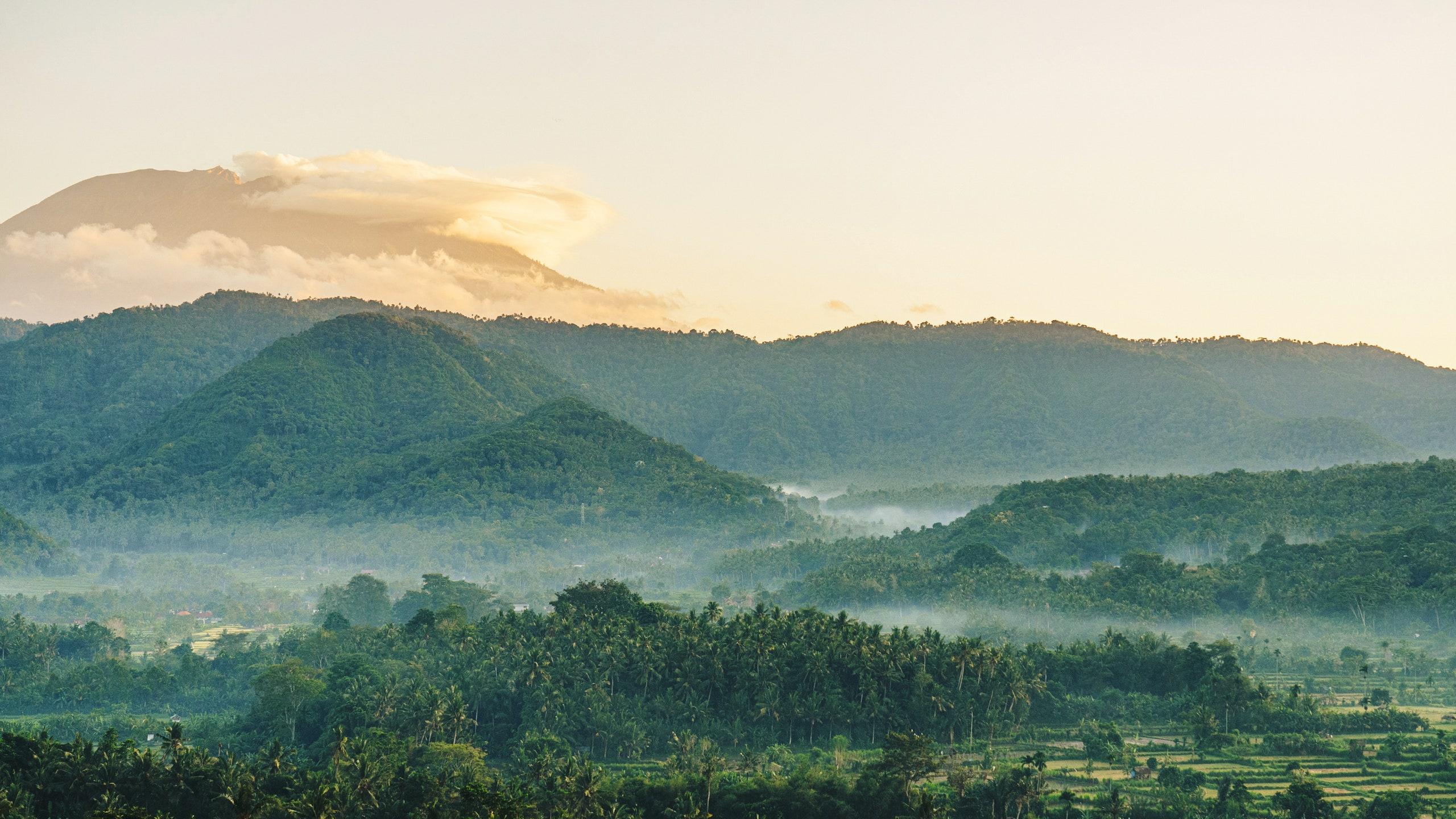
As we meander along the intricate subak irrigation system, a longstanding UNESCO-recognized marvel that has nourished Bali's bountiful crops for centuries, we discover the hidden treasures that lie in this lesser-known side of the island. In this enchanting setting, we encounter a tapestry of vibrant vanilla pods, flourishing coffee plants, and ripe tangerine-laden trees. The expansive fields of freshly harvested rice mirror the elusive Mount Agung, shrouded in misty allure.
Within this agricultural haven, our guide, Eka, introduces us to a myriad of local delicacies. He directs our attention to wild-wood sorrels and tangy berries, reminiscent of his childhood foraging adventures in the jungle. Intrigued, I sample the paracress, a herbaceous plant with buds that pleasantly numb my palate, much like the fiery Sichuan peppercorns. Eka's face lights up as he discovers a peculiar jellyfish-like fungus growing on a decaying coconut trunk – a rare find indeed. Grilling it on the spot, this local mushroom surprises my taste buds with its meaty flavor, accompanied by a subtle hint of coconut. Eka informs us that he will transform it into a delectable plant-based satay, showcasing the versatility and resourcefulness of Buahan.
Amidst the allure of this hidden gem, Buahan reminds us of the simplicity and satisfaction of plucking nature's gifts, effortlessly transforming them into nourishing meals that embody the essence of Bali's rich culinary heritage.

Further inland, Wayan brings me to his home village, Taro, where he has turned his parents’ sugar palm plantation into a pit stop for cycling tours. It’s part of the desa wisata, or community-based tourism, that he’s helping to get off the ground to draw travellers to this part of the island in a sustainable way. We find his father in the shade of towering palms with wooden rungs nailed to their trunks, scraping meat from a coconut shell – the first step in the laborious process of making coconut oil. “He’s mostly deaf and needs a stick to walk,” Wayan says. “But he still climbs trees like a monkey.”

Wayan has big dreams that expand beyond the confines of this picturesque plot of land. Located just outside the town, he dedicates his time to tending to rice fields and organic gardens, creating an enchanting spectacle as fireflies illuminate the night. Sadly, fireflies have practically vanished from other parts of Bali, but Wayan's efforts are gradually bringing them back to areas blessed with clean air, organic soil, and chemical-free water. In his quest to protect the fragile balance of nature, Wayan strives to persuade his community to embrace similar practices.
By recognizing the detrimental impact of pesticides on "Ibu Pertiwi" or Mother Earth, Wayan understands that it is impossible to expect nourishing food from a planet we harm. This realization fuels his dedication to sustainable agriculture, inspiring those around him to adopt his ecological approach. His commitment to preserving Bali's natural beauty and promoting environmentally-friendly practices sets an example, encouraging others to prioritize the well-being of the earth.
“In a way, the pandemic has been a blessing for us,” he concludes, while we share a banana-leaf plate of laklak, tiny rice-flour pancakes drizzled with frothy palm syrup. “We had forgotten about Ibu Pertiwi, but covid gave us time to stop and reflect. It taught us to take care of this island, to share the values we have.” When I return to my wall-less villa at Buahan that evening, I gaze out over the valley; an ombré layer cake, craggily contoured by palms and acacias. And there, in the inky distance, I see the faint blinking of fireflies; just the two of them, dancing rosily into the night.
Discover the Hidden Gem of Sidemen
Prepare to be enchanted by the serene beauty of Sidemen, a charming valley town nestled beneath the majestic Mount Agung. Often described as the "Ubud of 20 years ago" by the locals, this little-known paradise offers a glimpse into the authentic and unspoiled side of Bali.
As you wander through the lush jungle surroundings, you'll be captivated by the sight of vibrant rice paddies stretching as far as the eye can see. Fields of taro and peanuts add to the picturesque landscape, while the subak canals gracefully meander through the countryside.
Immerse yourself in the local culture as you visit the charming two-tabled warungs, where you can savor the mouthwatering roast duck and enjoy a refreshing sip of the affordable Bintang beer. While strolling through the streets, you'll witness farming families diligently drying their rice on tarpaulins, emphasizing the deep connection to traditional practices that still thrive here.
Amidst the soothing melodies of Indo-pop music and the gentle rustling of palm trees, you may occasionally catch the distant sounds of saws and hammers. These hints of development serve as a gentle reminder that Sidemen is on the brink of transformation, making now the perfect time to visit and experience its tranquil ambiance before it evolves further.
So, embark on a journey to Sidemen and uncover the hidden gem that awaits you – a place where time seems to stand still, and the essence of Bali's authentic beauty comes to life.

Where to stay
Pitched along a river that’s home to buffalo-sized boulders, Wapa di Ume Sidemen is a bamboo fantasy of swirling pools and thatched-roof villas. Some of the latter open to private plunge pools, while all have breezy interiors of sun-bleached wood and sandy stucco. Despite all the do-nothing appeal here, the cooking class along the river is worth leaving your lounge for.
Address: Banjar Dinas, Jl. Raya Tebola, Telaga Tawang, Kec. Sidemen, Kabupaten Karangasem, Bali 80864, Indonesia
Price: Doubles from about £180
Buahan
This rural community lies just 30 minutes north of Ubud’s restaurant jumble, but feels like a wholly different part of the island. Farmers rise early and go quiet at dusk, and finely wrought temples of mossy rock dominate the skyline. The Banyan Tree group opened its first Escape outpost here in the summer, but not before spending months researching the best ways to preserve the untouched environment and uplift the local community.

Where to stay
The 16 open-sided villas of Buahan, A Banyan Tree Escape, crafted like traditional balé pavilions from reclaimed ironwood, roll down a jungled valley dissected by waterfalls and terraced rice fields. The concept is rootsy – from the riverside spa drawing on homegrown herbs and local healing techniques to the Balinese coffee in pourover kits in the guest rooms. At the restaurant, all ingredients are sourced from within an hour’s drive.
Address: Jl, Buahan Kaja, Kec. Payangan, Kabupaten Gianyar, Bali 80572, Indonesia
Price: Doubles from about £590
Book your stay: Booking.comBook your stay: Expedia.com
Tabanan
Bali’s bread basket, a patchwork of pancake-flat fields of rice and corn, has so far escaped the relentless urbanisation of Canggu and Pererenan, 30 minutes to the east. While crowds of tourists stop by the imposing Tanah Lot temple on a rocky island off the coast, most don’t venture beyond – leaving this palm-studded hinterland delightfully quiet. In the late afternoon, local families crowd the volcanic beaches and sip fresh coconuts on the beanbags lining the grassy cliffs.

Where to stay
Family-owned Nirjhara, flanked by an impressive multistreamed waterfall, is a hush-hush hideaway for Bali’s in-crowd. The sleek, straight-lined villas are made from local stone and reclaimed hardwood, and dotted with contemporary Indonesian art. The breezy Ambu restaurant, overlooking the pool and the bamboo-roofed yoga sala by the river, is a welcome resting spot after a guided cycling tour around the countryside.
Address: Jl. Nirjhara, Banjar Kedungu, Belalang, Kediri, Tabanan Regency, Bali 82121, Indonesia
Price: Doubles from about £190
Discover the Hidden Gem: Medewi
Explore the lesser-known side of Bali and uncover the raw beauty of Medewi. Situated on the western coast, this remote destination boasts a captivating black sand beach that stretches as far as the eye can see. What makes Medewi truly special is its remarkable left-hand wave, the longest in all of Bali, which attracts adventurous surfers from far and wide.
Despite its natural allure, Medewi remains relatively untouched by mass tourism. Here, you can find a handful of surf camps and family resorts dotting the coastline, catering to those seeking an authentic and serene experience. Strolling along the beach, you are more likely to encounter locals scavenging for crabs than throngs of tourists.
Exciting developments are in the pipeline for Medewi, such as the proposed construction of a toll road from Denpasar. Once completed, this convenient route will reduce travel time from a lengthy four-hour journey to a mere 30 minutes. While this may open the door to change, it also signals the need to visit Medewi soon, before its unspoiled charm undergoes transformation.
Don't miss the opportunity to immerse yourself in the hidden wonders of Medewi, a true gem that offers a side of Bali rarely seen by travelers.

Where to stay
Opened in July in sleepy Pekutatan, Lost Lindenberg is the first Indonesian outpost from the Frankfurt-based Lindenberg hotel group – and flips the script on typical Balinese boutique escapes. There’s no Instagram-ready infinity pool; no wickerwork lights or yoga dogma. Instead, there are lofty rooms in treehouse-like towers, and an anything-goes vibe of salty-haired surfers and their families mingling over communal, plant-based meals at the restaurant’s sole dining table.
Address: Banyar Yeh Kuning, Jl. Ngurah Rai, Pekutatan, Kec. Pekutatan, Kabupaten Jembrana, Bali 82262, Indonesia
Price: Doubles from about £600
Book your stay: Thelindenberg.com