 Despite its rather small size, Slovenia is a country that boasts a vast gastronomic offer, born of the confluence of very different cuisines: on the one hand the strong flavours of Eastern European dishes, on the other the authenticity of Mediterranean ingredients. Freshness of food and sustainability are in fact the two keywords around which the entire Slovenian culinary tradition revolves, which, according to research, consists of no less than 24 gastronomic micro-regions!
In this article, we tell you about the delicacies you simply cannot miss while travelling. Here's what you can eat in Slovenia: typical dishes, tips and interesting facts about Slovenian cuisine!
10 typical Slovenian dishes
1 - Juha (Soup to start the meal)
 As in many other Eastern European countries, it is customary to start the meal with a hot soup, especially during the winter months.
In Slovenia, you can find all kinds of soups with a wide range of ingredients: the most popular are mushroom soup, barley soup or jota. The latter is a thick soup made of beans, sauerkraut or turnip that can be accompanied by pork sausages and potatoes.
Recommended: lunch, dinner
Average cost: €6.00
Main ingredients: broth (vegetable or beef), mushrooms, onions, pumpkin, etc.
2 - Kruh (Bread made of wholemeal flour)
 Strange but true, one of the typical products par excellence of Slovenian cuisine is bread or kruh, especially bread made from whole wheat flour.
From the most common to the most unusual forms, there is the Braid, which is baked on festive occasions and is very reminiscent of the Jewish Challah, as well as the Pisan Kru h, a variegated bread prepared by combining three different doughs.
Recommended for: always
Average cost: €3.00
Main ingredients: flour, water, yeast
3 - Prsut (cured ham)
 Photo by Roberta F.. Another key ingredient of the local cuisine is Prsut, a special air-cured ham typical of the Karst region.
It is usually served in very thin slices as an appetiser, but when accompanied by matured cheese and a glass of Teran it becomes an excellent Slovenian-style aperitif. Also excellent eaten between two slices of bread, for a quick lunch between visits.
Recommended: lunch, dinner, snack
Average cost: €3.00
Main ingredients: pork
4 - Kranjska klobasa (Carniolan sausage)
 Photo by ModriDirkac. Next to Prsut, the country's other historical sausage is Kranjska klobasa or Carniolan sausage, which is mostly eaten around Lake Bled but can be found almost everywhere.
It is a coarse-grained, semi-dried and smoked sausage that is usually seasoned with pepper and garlic. Side dishes that go with it in restaurants are pickled turnips, potato salad or horseradish and a touch of mustard.
Recommended for: lunch, dinner
Average cost: €10.00
Main ingredients: pork, horseradish, mustard
5 - Zganci (Polenta)
 Usually associated with the peasant cuisine of yesteryear, Zganci or Polenta has remained one of the cornerstone dishes of the local culinary tradition.
Usually made from barley or maize flour, it is also served unseasoned as a side dish or accompanied by other ingredients to make a single dish.
One example among many is polenta rustica, served with cracklings or pork rind.
Recommended: lunch, dinner, snack
Average cost: €7.00
Main ingredients: maize flour or barley flour
6 - Soča trout
When it comes to local main courses, Slovenians love fish, both what they catch in the Adriatic and what they can get from the many rivers that flow through the country, including the Soča.
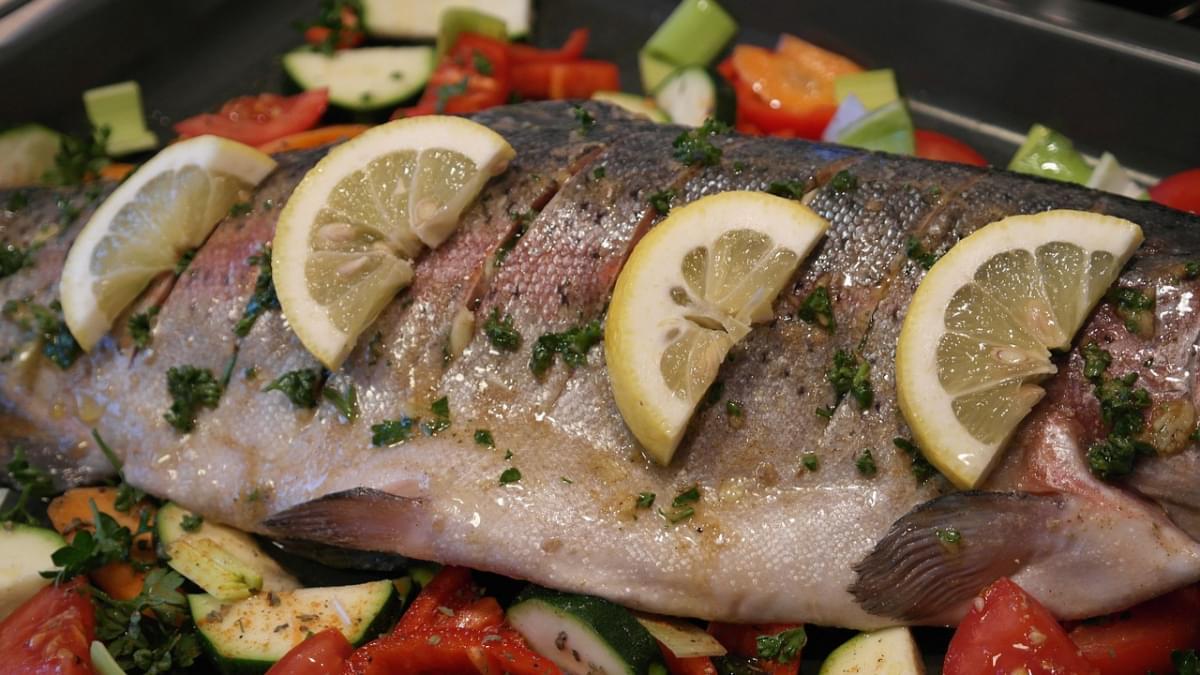
One of the most popular dishes is Soča trout, either grilled or baked, on its own or with other ingredients. Especially if you are in the Soča Valley, this is a dish that you can't afford to miss!
Recommended for: lunch, dinner
Average cost: €5.00
Main ingredients: fish, lemon or garlic for seasoning
7 - Horse Meat
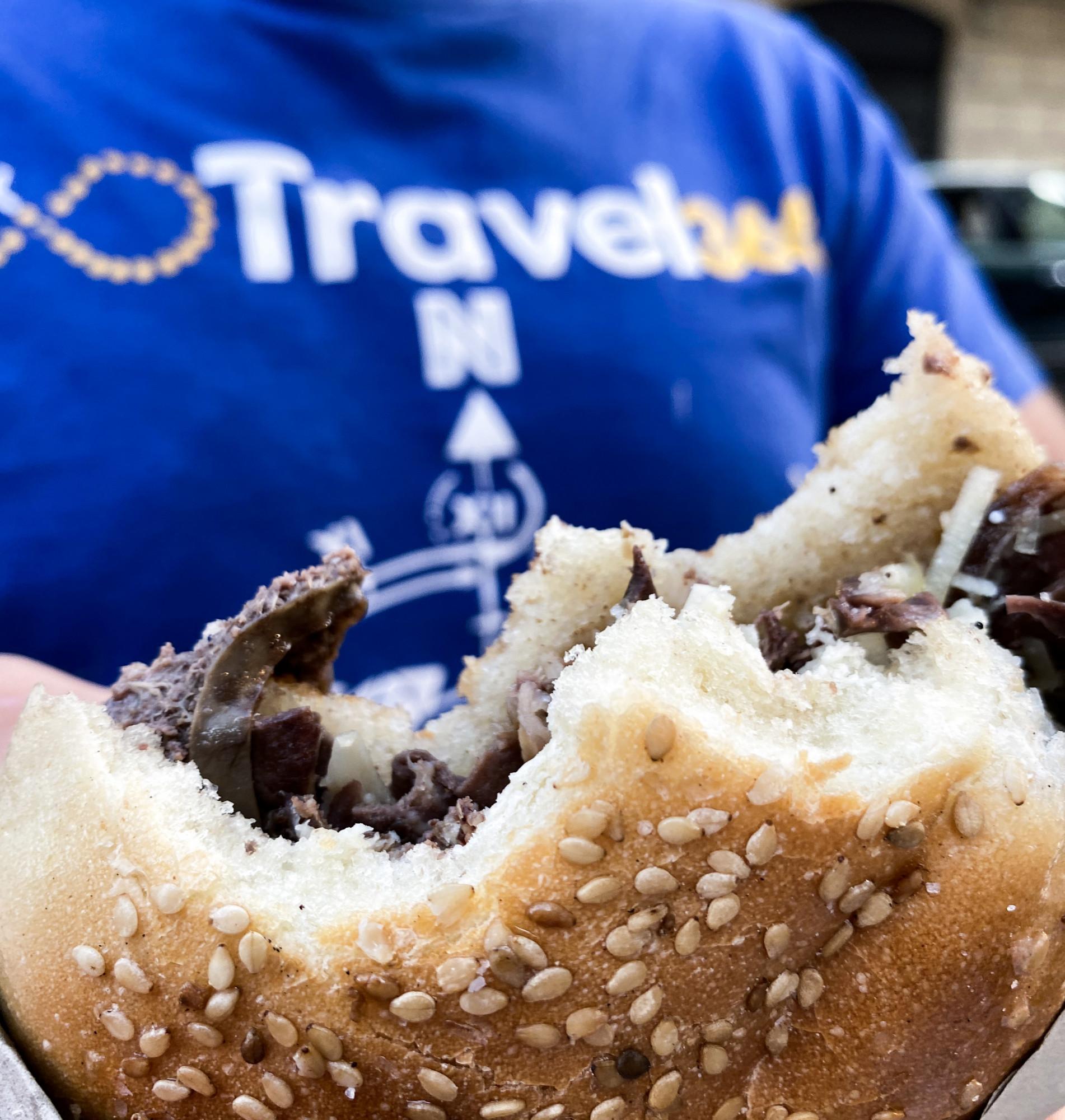
 Another popular main course is horse meat.
One of the best places to enjoy excellent horse burgers is in the vicinity of the capital, Ljubljana. Here you will find Hot Horse, a kind of Slovenian fast food restaurant that offers a wide range of dishes made from this type of meat.
SEE ALSO: 10 things to eat in Ljubljana and where
Recommended: lunch, dinner
Average cost: €12.00
Main ingredients: horse meat
8 - Frika
 Photo by io. Frika, the Slovenian version of Friulian Frico, is made mainly with eggs, cheese, butter and potatoes and usually accompanied by slices of polenta. A simple dish to make, yet its riot of flavours is incomparable!
Recommended for: lunch, dinner
Average cost: €9.00
Main ingredients: cheese, potatoes, butter, onion, eggs
9 - Street food: cevapcici, raznjici and pljeskavica
 As is happening in many other European countries, tasty and inexpensive street food is also becoming fashionable in Slovenia, and there are more and more street food stalls dotted around the big cities or major tourist centres.
Among the most popular snacks, you can find: cevapcici, spicy and slightly spicy mixed meat patties; raznjic, tasty meat skewers; or pljeskavica, a type of meat that can be served on a plate accompanied by chips and vegetables or inside a sandwich, with a strong and spicy flavour.
Recommended for: always
Average cost: €5.00
Mainingredients: mostly meat, vegetables, onion and spices
10 - Local honey
 Finally, one cannot talk about Slovenian cuisine without mentioning the cornerstone ingredient of delicious desserts and snacks: honey.
Thanks to its endless expanses of green, Slovenia is in fact one of the leading honey-producing countries in Europe.
Whether used in the preparation of cakes, paired with cheese or spread on a nice slice of wholemeal bread, honey is the key to adding that extra touch to dishes and sweetening every moment.
Recommended for: always
Averagecost: €6.00 per jar
Main ingredients: honey
Typical Slovenian sweets
As with most typical Slovenian dishes, desserts must also refer to a very long pastry tradition dating back centuries. The local cakes are high in calories and made using only local ingredients including honey, walnuts and fresh cottage cheese.
1 - Potica
 Photo by Michael R Perry. Potica is the Slovenian dessert par excellence, considered a true national institution.
With its typical rolled shape, it consists of a walnut filling, but can also have a savoury filling of your choice on occasion. Once used as a 'festive cake' (especially during the Christmas period), it is nowadays rather popular as a dessert at the end of a meal or to accompany a cup of tea.
Average cost: €5.00
Main ingredients: flour, nuts, sugar, honey, milk, egg, cinnamon and/or schnapps for additional flavouring
2 - Prekmurska gibanica
 Photo by Amanda Slater. Originating in the easternmost province of Slovenia, Prekmurska gibanica is a dessert that should be eaten warm or cold.
It consists of a short pastry base with a layered filling of cottage cheese, poppy seeds, honey and walnuts, separated by thin layers of phyllo dough. The whole is then garnished with whipped cream and butter. It is certainly not 'light', but it is certainly tasty!
Average cost: €4.00
Main ingredients: flour, eggs, milk, cottage cheese, poppy seeds, honey, nuts, butter and whipped cream
3 - Blejska kremna rezina
 Photo by magicfluffdragon. Better known as Bled cake, because it originated in the surroundings of the beautiful lake, Blejska kremna rezina is a very creamy and tasty cake.
Itconsists of custard covered with whipped cream, all wrapped in two layers of puff pastry. Fragrant and soft at the same time! You will love it!
Average cost: €6.00
Main ingredients: eggs, sugar, flour, milk, vanilla, cream, icing sugar
4 - Strudel
 Arriving in Slovenia as a culinary influence from neighbouring countries, especially Germany and Austria and the northern Italian regions, including Friuli-Venezia-Giulia, strudel is one of the most popular desserts among foreigners.
It is a rolled pastry filled with pine nuts, apples, sultanas and cinnamon. If you have never tried it before, this is a good opportunity to remedy the situation!
Average cost: €4.00
Main ingredients: flour, eggs, sugar, pine nuts, apples, sultanas and cinnamon
Drinks and liqueurs: what to drink in Slovenia
Slovenians love to get together and spend the evening with friends over a glass of excellent local wine or, alternatively, an overflowing mug of beer from Lasko, the country's largest beer brand). After all, what could be more relaxing after a busy day?
1 - Slovenian wines
Slovenia has been producing wines since as far back as the 5th century BC. The country's most important wine regions are three: Podravje, famous for its white wines; Posavje, best known for Cvicek, a light, dry red, very similar to a rosé; and Primorska, where mostly reds are produced, including Teran, or light whites such as Malvasia.
Average cost: a good local wine ranges from €8.00 a bottle upwards
2 - Beer
In addition to vineyards, Slovenia is also rich in hop cultivation, which is sought after throughout Europe for its unmistakable citronella aroma. There are two major breweries in the country, both owned by Lasko: this huge local brand produces two of Slovenians' favourite beers, Zlatorog and Union.
Average cost: €9.00 per litre
3 - Borovnica
On special occasions, Slovenians toast with somewhat stronger liqueurs. One of them is Borovnica, a kind of very alcoholic brandy made from wild blueberries. Alternatively, try Slivovka, made from plums, or Brinjevec, flavoured with juniper.
Average cost: €5.00
Tips and trivia: where to eat and what to avoid
 As you may have already guessed, theculinary offer in Sloveniais quite wide, as are the types of places where you can sample typical dishes. You can go from traditional restaurants to genuine trattorias with rustic charm, from self-service restaurants to street food stalls, all the way to taverns(Krcma), places where you can have a quick snack and a glass of wine. There are also Slascicarna, specialising in sweets and ice cream as well as coffee and milkshakes.
In general, however, Slovenians are not accustomed to having large breakfasts, preferring a quick coffee taken early in the morning and a more substantial snack around 10am. Lunch is the most important meal of the day, but if the mid-morning snack turns out to be more abundant than expected, it can slip into mid-afternoon. In the more touristy areas, you can find a wide range of restaurants, fast food outlets and clubs open at any time of day. Remember that tipping is not compulsory, but appreciated.
SEE ALSO: 10 things to eat in Ljubljana and where