Flying, oh no! For our animal friends taking the plane can be a stressful and risky experience, but there are airlines that are more pet friendly than others. You will find that you can fly to Dubai with your falcon (if you have one) but not with a cat. And your pug in many cases has to stay on the ground.
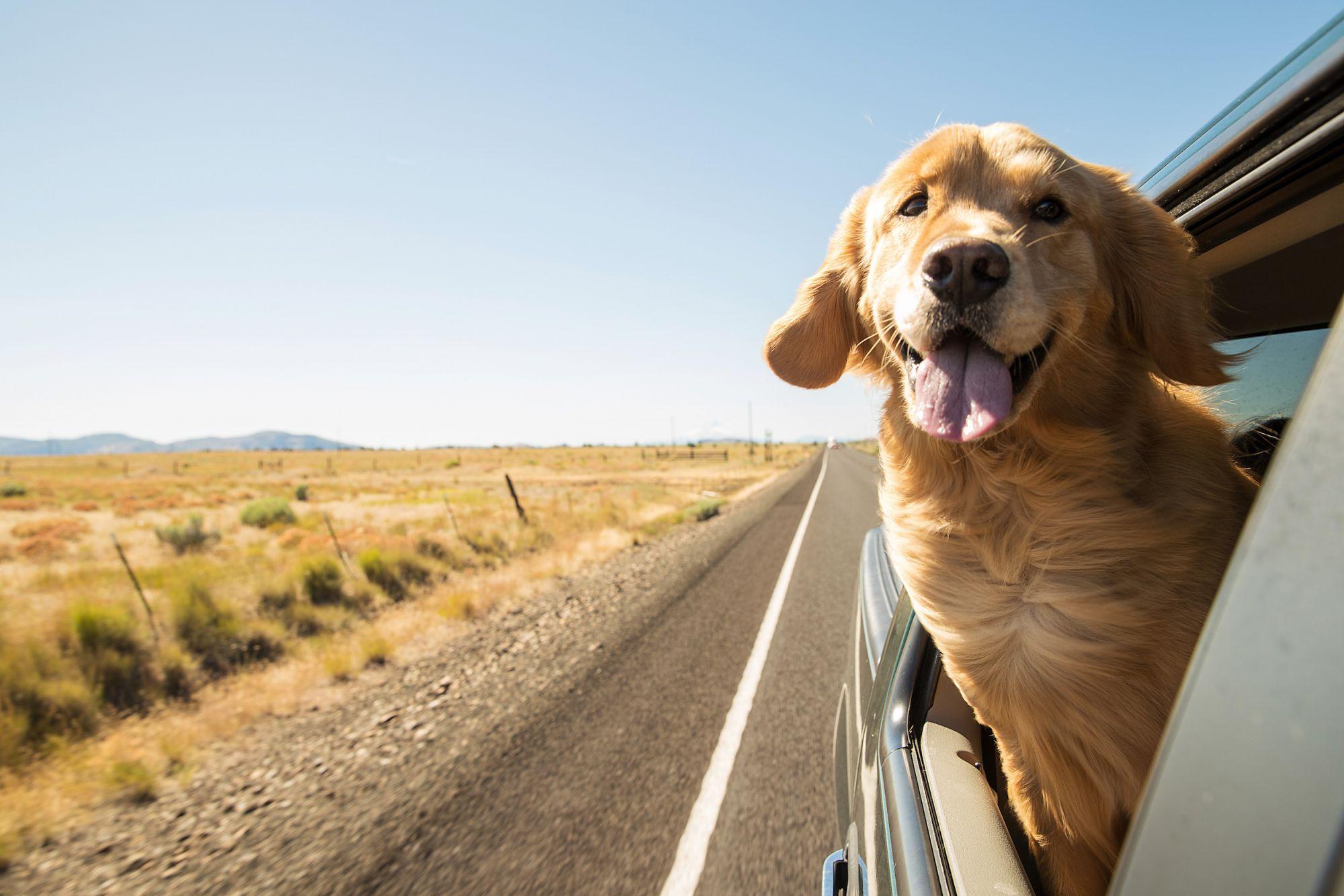
Travelling with your animal friend can be tricky, but not impossible © MPH Photos
More and more passengers are asking to travel with their pets: in recent years, requests have increased by about 75%, so many airlines are gearing up to offer feathered and furry friends the chance to fly with the same comforts as human passengers. Good intentions, however, often clash with local laws and restrictions that make it very complicated to travel with your pet, especially if it is a particular breed. There are those who have tried to board a peacock or piglet in the cabin by registering them as emotional support animals, or those like a blind lady from Jacksonville, Florida, who needed to board her Appaloosa pony with the privileges of a guide dog (all true).
Even travelling with a dog or a cat, a rabbit or a ferret, will force you to go through a lot of organisational turbulence, first of all to ensure a safe flight. United last year launched the PetSafe programme that allowed pets to be carried in the cargo hold, but unfortunately on the journey some 30 animals have lost their lives in the last two years, contributing to the American airline's bad reputation for how it treats its passengers, two-legged or four-legged.
Some rules for the transport of animals are global: the Live Animals Regulations (LAR) of the International Air Transport Association governs them. A standard that all major companies comply with, the latest version of which went into effect on 1 January 2019. You can consult the complete list of animals allowed on board by the various airlines here.

Equip yourself to enjoy a peaceful journey by choosing the pet-friendly airline ideal for your needs © Anna Vangorodska
Add to these rules the local laws of the destination countries and the policies of the individual airlines: a limitation here, a restriction there, and taking the plane with your paw friend could turn into an odyssey. If, as a modern Ulysses, you don't part with your kitty or fido when you travel, you have probably already experienced the near-impossible task of boarding your pug (most airlines don't accept dogs and fluffy-snouted cats), or of finding an airline on your route that will agree to keep your pussycat in the cabin.
First of all equip yourself with:
- pet passport
- all documents relating to vaccinations
- rabies vaccination in countries that require it
- a certificate of good health
- permission from the Italian embassy of the country you intend to visit.
Equip yourself to enjoy a peaceful journey by choosing the pet-friendly airline that is ideal for your needs.
The requirements for travelling with you
More and more airlines are accepting small dogs and cats in the cabin with you, even more than one, and even litters, although flying puppies is problematic because they are too young to be vaccinated. Furry pets under 8 kilos, including the weight of the soft carrier in which you will be accommodating your paw friend, are ideal candidates to keep you company during the journey. As of 6 November 2017, crates are no longer accepted in the cabin, so you will have to equip yourself with a special soft carrier. You will normally have to keep it under the seat in front of you, so you won't be able to occupy a seat in the rows near the emergency exits, and you won't be able to let it out to stretch its paws throughout the flight. Also resign yourself to flying in Economy: many airlines do not accept animals in Business, often because there is not enough space under the seat.
The major Italian airlines are among the most permissive with regard to weight: Alitalia, Meridiana, Neos, Transavia, Blue Panorama accept animals up to 10 kg in the cabin, including carriers. Air Italy offers you an additional convenience, allowing you to buy the seat in the hold or cabin for your pet directly online. Among the airlines that are more restrictive on weight are African airlines such as Tunisair and Royal Air Maroc, which allow animals under 5 kg in the cabin.

More and more airlines are accepting small dogs and cats in the cabin with you © Svitlana Sokolova
Larger dogs and cats can travel in the hold, in an IATA (International Air Transport Association) approved pet carrier. If your dog is large, generally over 75 kg, the only option is cargo, so it will take a different plane from yours but you will be at your destination. Some companies have a dedicated cargo division, such as Etihad, Air France, KLM, American Airlines, Delta to name a few, which promise maximum comfort for the animals being transported.
Do you have the holy terror of the cargo hold? Make an objective assessment, taking into account above all the well-being of your paw friend. Consider that the environment is similar in temperature and pressure to that of the cabin, but your pet will have to spend many hours alone, in semi-darkness or darkness, in the middle of the luggage, and in many cases as a matter of policy he will not be able to be sedated and have a good snooze all the way to his destination, nor will you be able to reach him to feed him, stretch his paws or do his business. This is why many airlines do not accept animals on long-haul flights. For short trips, be aware that low-cost airlines, such as Ryanair, EasyJet and Wizz Air, generally do not carry pets, but if you are travelling in Europe, Vueling and Transavia are for you if you have dogs and cats in tow.
Sign up for our newsletter! For you weekly travel tips, special offers, stories from around the world and 30% discount on your first order.

A question of snout
When in Rome, pet entry rules apply. Breeds considered violent or fighting breeds are not accepted by many companies and complicating matters are local laws that prevent them from entering the country. For example, you cannot fly to the UK with your Pitbull Terrier (this also applies to the Japanese Tosa, Argentine Dogo and Fila brasilero).
Flying with a Pug can become a mission impossible, because the policies of almost all airlines are very restrictive with regard to brachycephalics, i.e. dogs with a flattened nose such as the Pekingese, Shih-tzu, Neapolitan Mastiff, Corsican dog, or the Persian and Burmese cat, which particularly suffer from altitude, risk overheating during the flight and having even fatal respiratory problems. A great responsibility, which you yourself must choose to take on, subjecting your paw friend to considerable stress. If you have an alternative to flying, to reach your destination, think about it. In general, companies accept to accommodate these breeds in the cabin or as cargo, but not in the hold. There are companies that accept flying English and French pugs, boxers and bulldogs such as Norwegian and KLM ask you to sign a waiver, Cathay Pacific and American Airlines extremely strict about this, with a list of over 20 breeds not allowed. Air France only transports these breeds with special cargo. If you are going to Germany, you should know that Pitbulls and Bullterriers are banned, so with whichever airline you fly with, e.g. Lufthansa, you cannot take them with you, but if you only have a stopover (or leave the country with them) you have the green light.

Warning: in some countries dogs and cats are not allowed in at all © Melissa Sue
I (here) can't fly
If you are bound for Australia, Hong Kong, Ireland, Kenya, South Africa, the United Arab Emirates and the United Kingdom you can only board your pet on a cargo flight other than your own, except (almost always) for guide and emotional support dogs.
British Airways considers four-legged friends members of the family and promises VIP treatment, but in the hold (they are not allowed in the cabin), in partnership with PetAir UK for flights departing from the UK and with IAG Cargo for flights to the UK. Flights to the United Arab Emirates only allow falcons on board, which can travel in the cabin together with their owner, but seats allocated to these majestic feathers are limited so must be reserved in advance: this is the case with Emirates on flights to Dubai and some destinations in Pakistan. Etihad Cargo specialises in transporting horses to the Abu Dhabi hub.
Most Asian airlines, such as China Airlines (including Eastern and Southern), Japan Airlines, Kuwait Airways, Philippine Airlines, Singapore Airlines, Cathay Pacific, Malaysia Airlines to name a few, do not allow animals in the cabin. If you are flying to Eastern and have a stopover in Doha, be aware that Qatar Airways does accept animals in the cabin.
Brazil has very restrictive laws for the entry of birds. To enter Panama you will need to present a special export certificate for small species. In many countries, including South Africa, the only way to enter or leave the country with your animal is to board it as cargo on a flight carrying cargo. On Vueling flights you cannot transport rabbits, but fish and turtles can. Japan Airlines also allows you to transport marmots, squirrels and chinchillas in a special basket for rodents, but not pregnant animals: if your kitty is expecting, it will have to stay on the ground as a precaution. Cats and dogs are not allowed in Jamaica at all.
Delta does not transport animals on very hot or cold days, or in certain seasons: if the thermometer rises above 27 degrees or falls 7 degrees below zero, your friend cannot be boarded. Quite an inconvenience, but your health depends on it. Virgin Atlantic does not accept pets on board at weekends: just know this in advance. If you plan to fly with this airline from London to Hong Kong, know that you can only board your pet on the outward journey, but not on the return. Does this seem bizarre to you? That's the way local laws want it, which intersect with airline policies to create strange short circuits. Finding your way through this quagmire is not easy, so our advice is to carefully evaluate the animal transport terms of the different companies covering your route.
Recommended guides and products:

Travel guide